
Category Archives: Services

spine chiropractic treatment in Dwarka

Spine Chiropractic

Spine Chiropractic Treatment in Dwarka – Dr. Gholam Sarwar, Chiropractor & Physiotherapist at Sarwar Healthcare

Benefits of Chiropractic Spine Treatment

If you’ve been dealing with nagging backaches, stiff necks, or that sharp sciatica pain shooting down your leg, you might be wondering if there’s a better way to heal than just relying on painkillers. That’s where chiropractic spine treatment steps in—especially when it’s provided by a specialist like Dr. Gholam Sarwar in Dwarka.

Drug-Free Pain Relief

One of the biggest reasons people are turning to chiropractic care is because it offers a natural, drug-free solution to chronic pain. Unlike conventional treatments that might rely heavily on painkillers and invasive surgeries, chiropractic therapy focuses on identifying the root cause of the discomfort—often misalignments in the spine—and correcting it through manual adjustments. These spinal manipulations realign vertebrae, reduce pressure on nerves, and improve blood flow, thereby easing the pain naturally. This approach not only gives relief but also helps in avoiding the long-term side effects of continuous medication use.

Improved Mobility and Flexibility

Ever felt like your back locks up when you try to bend over or that your neck has the flexibility of a rusted hinge? Chiropractic spine treatments help restore range of motion and improve your body’s overall flexibility. By freeing up stuck joints and loosening tight muscles, it allows your body to move with less restriction. Dr. Sarwar uses proven techniques like spinal mobilization and soft tissue therapies that target specific points in the spine to relieve stiffness and encourage smoother movements. Over time, patients often report better posture, less fatigue, and an overall increase in energy.

Long-Term Preventive Care

Chiropractic care isn’t just a reactive measure—it’s a preventive lifestyle choice. Regular sessions at Sarwar Healthcare can help you maintain spinal alignment, which supports the central nervous system and reduces the risk of future injuries or flare-ups. Dr. Sarwar also educates his patients on ergonomics, posture correction, and daily habits that can significantly affect spine health. This long-term approach ensures you’re not just getting temporary relief but are also building a resilient spine that can withstand the wear and tear of everyday life.


Combining Chiropractic with Physiotherapy

At Sarwar Healthcare in Dwarka, chiropractic and physiotherapy aren’t treated as separate entities. They are combined to offer integrated healing that addresses both the skeletal and muscular systems. Dr. Gholam Sarwar’s unique approach blends both disciplines, creating a powerful path to recovery.

Holistic Healing for Spine Disorders

Why treat just the symptom when you can treat the whole person? That’s the mantra at Sarwar Healthcare. Chiropractic care corrects spinal misalignments while physiotherapy helps rehabilitate the surrounding muscles and ligaments. This comprehensive treatment not only alleviates pain but strengthens the entire spine structure, reducing the chance of re-injury. Whether you’re dealing with a bulging disc, spinal stenosis, or postural dysfunction, this combo provides a 360-degree approach to healing.

Customized Rehab Programs

No two patients are the same, which is why Dr. Sarwar tailors personalized rehabilitation programs for each individual. These programs include a mix of manual adjustments, electrotherapy, resistance training, and posture drills. For example, someone with chronic lumbar pain might receive deep tissue massage and spinal decompression along with specific core-strengthening routines. This blend ensures the recovery plan is not just effective but also aligned with your lifestyle, fitness level, and recovery goals.

Role of Exercise and Muscle Strengthening

Physiotherapy at Sarwar Healthcare heavily emphasizes active patient participation, particularly through targeted exercises. Dr. Sarwar believes in empowering patients with home-based routines that enhance spinal stability. Stretching exercises improve flexibility, while strengthening workouts fortify the muscles that support the spine, such as the core, glutes, and back muscles. Over time, these routines improve posture, reduce inflammation, and help you build a spine that’s not just healed but more resistant to injury.


What to Expect During Your First Visit

Feeling a bit anxious before visiting a chiropractor is completely normal—especially if it’s your first time. But don’t worry, your experience at Sarwar Healthcare will likely be far more relaxed and informative than you expect.

Initial Consultation Process

The first visit starts with an in-depth consultation session where Dr. Sarwar discusses your medical history, symptoms, lifestyle, and goals. This is not a quick once-over; it’s a genuine deep dive into your spine health. You’ll be asked about any previous injuries, surgeries, or chronic conditions. The goal here is to gain a clear understanding of what’s causing your pain and how it’s affecting your daily life.

Spine Examination and Diagnosis

Next up is a comprehensive physical exam, including orthopedic and neurological tests. Dr. Sarwar checks for posture alignment, muscle tone, reflexes, and range of motion. Depending on the condition, diagnostic tools like X-rays or posture analysis software may also be used to pinpoint the root cause. You’ll be shown exactly what’s going wrong in your spine, often with visuals that make it easier to understand the problem areas.

Designing a Personalized Treatment Plan

After gathering all the necessary data, Dr. Sarwar will design a customized treatment roadmap. Whether it’s a short-term care plan for acute pain or a long-term strategy for chronic issues, the approach is always patient-centric. He’ll walk you through each step, from how many sessions you may need to the kinds of therapies that will be applied. You’ll also receive self-care advice, nutritional tips, and ergonomic suggestions to enhance your recovery.


Real Patient Success Stories at Sarwar Healthcare

You don’t have to take just our word for it—real people from Dwarka and nearby areas have seen dramatic improvements in their health thanks to Dr. Sarwar’s expertise.

Life-Changing Recoveries

From IT professionals suffering from chronic neck strain to senior citizens dealing with spinal degeneration, many have found life-changing relief at Sarwar Healthcare. One common story involves patients who’ve gone from not being able to sit for 10 minutes without pain to enjoying long walks, gym workouts, and even yoga classes again.

Testimonials from Satisfied Clients

Patients rave about Dr. Sarwar’s ability to listen carefully, explain clearly, and treat effectively. Google reviews and social media are filled with five-star testimonials praising the clinic’s warmth, professionalism, and results. Many mention the difference in care quality compared to other clinics—they don’t just treat you, they genuinely care about your healing journey.

Community Impact in Dwarka

Sarwar Healthcare is more than just a clinic—it’s a pillar of the local health community. From organizing free spine check-up camps to offering awareness programs on posture correction in schools and corporate offices, Dr. Sarwar’s team is dedicated to making Dwarka a pain-free zone. His influence extends beyond his clinic walls, inspiring thousands to take charge of their spine health.


Why Choose Dr. Gholam Sarwar in Dwarka?

With so many chiropractors and physiotherapists available, it can be tough to know who to trust. But in Dwarka, the name Dr. Gholam Sarwar stands out for good reason.

Experience and Reputation

Dr. Sarwar brings years of experience, not just as a chiropractor but also as a trained physiotherapist. This dual expertise allows him to view spine health from multiple angles and deliver care that’s both precise and holistic. His reputation is backed by a long list of successful recoveries and high patient satisfaction.

Multidisciplinary Expertise

He combines the best of chiropractic science, physiotherapy, exercise rehab, and wellness coaching. His treatments aren’t cookie-cutter—they’re multifaceted and modern, incorporating the latest in medical technology and traditional healing methods.

Commitment to Excellence

What truly makes Dr. Sarwar special is his passion for patient care. He and his team treat each patient like family, ensuring every visit is comfortable, informative, and effective. This unwavering commitment to excellence has made Sarwar Healthcare a top choice for spine treatment in Dwarka and beyond.

Lifestyle and Ergonomic Advice for Spine Health

A healthy spine isn’t just about visiting a chiropractor; it’s also about how you treat your body every day. At Sarwar Healthcare, Dr. Gholam Sarwar ensures every patient walks away not only with pain relief but also with valuable lifestyle advice to maintain that wellness.

Importance of Proper Posture

One of the biggest culprits behind spine issues today is poor posture—especially in a world glued to screens. Whether you’re hunched over a laptop or looking down at your phone, your spine is taking a hit. Dr. Sarwar emphasizes spinal alignment as a foundational element of health. Maintaining a neutral spine while sitting, standing, and even sleeping plays a huge role in preventing pain. Tips like keeping your monitor at eye level, engaging your core while sitting, and avoiding slouched shoulders are all part of the advice you’ll get from Sarwar Healthcare.

Daily Habits That Protect Your Spine

Little things matter—how you get out of bed, lift groceries, or even tie your shoes. Sarwar Healthcare provides tailored coaching on safe movement patterns to protect the spine in daily life. For instance, always bend at the knees, not your back, when picking up objects. When driving, use lumbar support and adjust the seat so your knees are slightly higher than your hips. These micro-adjustments can save you from major spine troubles down the line.

Ergonomic Tips for Work-from-Home Setups

With remote work becoming the norm, home setups are often the breeding grounds for spine damage. Dr. Sarwar offers ergonomic consultations to optimize your workspace. He might recommend using an external keyboard, setting up a standing desk, or simply placing a rolled towel behind your lower back for lumbar support. These tweaks ensure that even long hours at your desk don’t translate into long-term damage to your back and neck.


Cost of Chiropractic Treatment in Dwarka

One of the most common questions people have is—“How much does chiropractic care cost?” Let’s break it down so you know exactly what to expect when you choose Sarwar Healthcare in Dwarka.

Transparent Pricing at Sarwar Healthcare

At Sarwar Healthcare, pricing is straightforward and transparent. Initial consultation and assessment may range between ₹800 to ₹1,200 depending on complexity. Follow-up sessions can cost anywhere between ₹500 to ₹1,000. The clinic also offers treatment packages for chronic conditions that require multiple sessions, which often come at a discounted rate. Dr. Sarwar believes in value-based care, which means you get top-quality service without hidden charges or unnecessary add-ons.

Comparing Costs with Other Treatments

When compared to the long-term cost of pain medications, surgeries, and hospital stays, chiropractic care is a cost-effective solution. Prescription drugs for pain management add up quickly, especially if you’re dealing with chronic issues. Surgery, on the other hand, can cost tens of thousands of rupees with potential side effects and downtime. Chiropractic care at Sarwar Healthcare is not only more affordable but also provides faster, safer, and long-lasting results.

Value for Money and Long-Term Savings

What you’re really paying for at Sarwar Healthcare is functional freedom—the ability to live, move, and work without pain. Regular chiropractic care can help avoid expensive hospital visits in the future. Think of it as an investment in your health. Dr. Sarwar also educates patients on self-care routines to maintain results and reduce the need for frequent visits. This focus on sustainability ensures you’re not dependent on constant treatment, which in itself is a massive financial and physical benefit.


Myths and Misconceptions About Chiropractic Care

Despite its growing popularity, chiropractic treatment still carries a few myths and misconceptions. Dr. Gholam Sarwar addresses these head-on to ensure patients are well-informed and confident in their care.

Is Chiropractic Treatment Painful?

Many people fear that chiropractic adjustments might be painful. In reality, most patients describe the experience as relieving, not painful. Yes, you might hear some cracking sounds during spinal adjustments, but these are just air bubbles being released from joints. Dr. Sarwar ensures all manipulations are gentle, precise, and tailored to the patient’s tolerance level. If anything, most people walk out feeling lighter, more relaxed, and more mobile than when they came in.

Is It Safe for All Age Groups?

Absolutely. Chiropractic care at Sarwar Healthcare is suitable for all age groups—from children with scoliosis to elderly patients with degenerative spine conditions. Dr. Sarwar adapts his techniques depending on the age, condition, and comfort of the patient. Pediatric adjustments are extremely gentle, while older patients receive a more conservative, supportive approach. Chiropractic is even beneficial during pregnancy, helping women manage back pain and prepare for smoother deliveries.

Can One Session Solve Everything?

While one adjustment can provide significant relief, expecting a miracle cure in a single session is unrealistic. Chiropractic care is a progressive, cumulative process. Dr. Sarwar usually creates a multi-session treatment plan based on the severity of the issue. Each session builds upon the last, gradually restoring mobility, reducing inflammation, and strengthening support muscles. Healing is a journey—not a race—and with regular care, long-term improvements are absolutely achievable.


When to See a Chiropractor

Not sure if your back pain warrants a chiropractic visit? Let’s decode the signs and signals that suggest it’s time to book an appointment at Sarwar Healthcare.

Early Signs You Shouldn’t Ignore

Pain is your body’s way of saying something’s not right. If you’re experiencing persistent stiffness, tingling in the limbs, headaches, or lower back discomfort, these are your spine’s SOS calls. Ignoring them could lead to chronic conditions that are much harder to treat. Dr. Sarwar recommends visiting a chiropractor the moment you notice your daily function is compromised, whether it’s bending over, sleeping well, or sitting without pain.

Acute vs Chronic Pain

Acute pain, like that from a recent fall or strain, responds well to chiropractic adjustments, especially when addressed early. Chronic pain, on the other hand, may require a longer treatment course but is still very much treatable. Dr. Sarwar specializes in both acute and chronic spine conditions, ensuring you get the right care no matter where you are in your healing timeline.

How Often Should You Visit?

There’s no one-size-fits-all answer here. Some patients need intensive treatment multiple times a week, while others benefit from monthly maintenance visits. After your initial assessment, Dr. Sarwar will suggest a plan that suits your condition, lifestyle, and goals. Regular check-ins can help catch small issues before they escalate, making chiropractic care a cornerstone of preventive health.


Booking an Appointment at Sarwar Healthcare

Ready to take that first step toward a pain-free life? Here’s how easy it is to book your appointment with Dr. Gholam Sarwar in Dwarka.

Easy Appointment Process

You can schedule a session at Sarwar Healthcare through phone, WhatsApp, or the official website. The clinic offers flexible time slots to accommodate working professionals, students, and homemakers. Walk-ins are also accepted, though booking in advance is recommended for quick service.

What to Bring and Prepare For

For your first appointment, carry your ID, any previous scans (X-ray, MRI), and a list of medications if applicable. Wear comfortable clothing and come with an open mind—you’ll likely learn a lot about your body and its mechanics. Don’t worry if you’re new to chiropractic care—Dr. Sarwar and his team ensure you feel comfortable and well-informed at every step.

Location and Contact Details

Sarwar Healthcare is conveniently located in Dwarka Sector 12, easily accessible by metro, car, or public transport. The clinic’s exact address, contact number, and booking links are available on their Google Business page and official website, making it simple to reach out and get started.


Conclusion

Spinal health is one of the most neglected yet crucial aspects of our well-being. In the bustling urban setting of Dwarka, Sarwar Healthcare led by Dr. Gholam Sarwar offers a haven for those looking to heal, strengthen, and reclaim their physical freedom. With a blend of advanced chiropractic methods, physiotherapy, personalized care, and educational support, you’re not just treated—you’re empowered. Whether you’re suffering from chronic pain or just want to maintain a healthy spine, a visit to Sarwar Healthcare can truly transform your life.


FAQs

Q1. Is chiropractic treatment at Sarwar Healthcare covered by insurance?
Most insurance companies now recognize chiropractic care. It’s best to check with your provider and the clinic’s front desk for eligibility and reimbursement procedures.

Q2. How soon can I expect relief from back pain after starting treatment?
Many patients feel relief after just one session, but consistent care is usually required for long-term benefits.

Q3. Can children receive chiropractic treatment?
Yes, Dr. Sarwar treats children using specialized pediatric techniques that are safe and gentle.

Q4. Do I need a doctor’s referral to see a chiropractor?
No referral is needed. You can directly book an appointment at Sarwar Healthcare.

Q5. Are chiropractic adjustments safe for pregnant women?
Yes, with proper techniques and precautions, chiropractic care can help relieve pregnancy-related back pain and improve pelvic alignment.


chiropractor in Dwarka

Chiropractic Treatment

Dr. Gholam Sarwar: Your Path to a Pain-Free Life with the Best Chiropractor in Dwarka, Delhi, India

Searching for the best chiropractor near me in Dwarka, Delhi, to find lasting relief from pain and improve your quality of life? You’ve arrived at the right place. At the clinic of Dr. Gholam Sarwar, we offer world-class chiropractic care combined with comprehensive physiotherapy to address the root causes of your pain, not just the symptoms. Dr. Sarwar is widely recognized as a leading chiropractor in Dwarka, committed to providing a non-invasive, drug-free approach to health and wellness for the entire family. If persistent back pain, neck stiffness, or joint discomfort is holding you back, discover how a personalized treatment plan at our esteemed chiropractor clinic in Dwarka can help you achieve optimal physical function and well-being.

Understanding the Power of Integrated Chiropractic and Physiotherapy Care

Chiropractic care is a primary healthcare profession specializing in the diagnosis, treatment, and prevention of mechanical disorders of the musculoskeletal system, and the effects of these disorders on the function of the nervous system and general health. Dr. Gholam Sarwar’s unique approach integrates the foundational principles of chiropractic with the therapeutic benefits of physiotherapy, creating a comprehensive and highly effective path to recovery.

chiropractor in Dwarka

The Chiropractic Adjustment: Restoring Balance

A chiropractic adjustment, or spinal manipulation, is a highly skilled, precise procedure where Dr. Sarwar uses his hands or a specialized instrument to apply a controlled, sudden force to a spinal joint. The goal is to correct vertebral subluxations (misalignments) and restore proper mobility to the spine.

  • Targeting the Nervous System: The spinal column houses the nervous system. Misalignments can interfere with nerve communication, potentially leading to pain and dysfunction in various parts of the body. Adjustments help alleviate this nerve irritation, promoting the body’s natural healing abilities.
  • Conditions Addressed: This treatment is highly effective for common issues like chronic back pain, neck pain, sciatica, headaches, migraines, and joint pain in the arms and legs.

The Role of Physiotherapy in Long-Term Wellness

While chiropractic adjustments focus on spinal and joint alignment, physiotherapy plays a crucial role in strengthening surrounding muscles, improving flexibility, and promoting proper movement patterns to ensure the benefits of the adjustment are long-lasting.

  • Therapeutic Exercise: Personalized exercises are prescribed to strengthen weak muscles and stretch tight ones, providing better support for the spine and joints.
  • Advanced Modalities: We utilize state-of-the-art physiotherapy modalities, which may include manual therapy, cupping, dry needling, and therapeutic laser, to reduce inflammation, accelerate tissue healing, and manage pain. This dual expertise ensures that patients receive a truly holistic treatment experience at our chiropractor clinic in Dwarka.

Personalized Treatment for Musculoskeletal Pain

We believe that effective treatment starts with an accurate diagnosis and a deep understanding of each patient’s unique health profile. Dr. Sarwar takes the time to thoroughly assess your condition, considering your medical history, lifestyle, and specific pain points to craft a truly personalized treatment protocol.

Step 1: Comprehensive Consultation and Assessment

Your journey begins with a detailed consultation, physical examination, and, if necessary, an analysis of your existing reports. Dr. Sarwar’s experience as a qualified chiropractor and physiotherapist allows him to pinpoint the precise source of your discomfort, whether it stems from a disc issue, a nerve entrapment, poor posture, or a sports injury.

Step 2: Customizing Your Care Plan

Based on the assessment, your plan will be customized. For a herniated disc, for example, the treatment might combine gentle spinal decompression with core-strengthening exercises from physiotherapy. For chronic headaches, it may involve cervical spine adjustments combined with soft tissue work on the neck and shoulder muscles. Our integrated approach ensures the most effective, quickest route to recovery.

Key Benefits of Choosing Dr. Gholam Sarwar’s Chiropractic Care

Patients who choose Dr. Gholam Sarwar as their best chiropractor in Dwarka experience numerous advantages that go beyond simple pain management:

  • Drug-Free Pain Relief: Achieve significant pain reduction without the need for medication or their associated side effects.
  • Non-Surgical Solutions: Effective treatment for back and neck pain, sciatica, and disc issues, offering an alternative to invasive surgery.
  • Improved Mobility and Flexibility: Restore natural movement to stiff joints and muscles, enhancing your ability to perform daily activities.
  • Enhanced Sports Performance: Prevent injuries and recover faster by improving biomechanics and spinal alignment.
  • Better Posture: Correct underlying spinal issues that contribute to poor posture, leading to a stronger, more balanced body.
  • Holistic Wellness: A focus on treating the whole person, addressing the root cause of the problem for long-term health, not just a quick fix.

Why Choose Dr. Gholam Sarwar and Our Practice?

When searching for a trusted chiropractor in Dwarka, you deserve a practitioner with a proven track record, extensive experience, and a genuinely compassionate approach. Dr. Gholam Sarwar embodies all three. With years of experience and a dual qualification in chiropractic and physiotherapy, he offers a unique and powerful blend of expertise unavailable at many other clinics. His commitment to personalized, evidence-based care has earned him the reputation as the best chiropractor in Dwarka, Delhi. Our state-of-the-art chiropractor clinic in Dwarka is equipped with advanced technology and staffed by a warm, supportive team dedicated to making your recovery smooth and comfortable. We are conveniently located and focused entirely on helping our local community achieve their highest potential for health and movement.

Frequently Asked Questions (FAQ)

1. What common conditions does Dr. Gholam Sarwar treat with chiropractic care?

Dr. Sarwar treats a wide array of musculoskeletal and nerve-related conditions, including lower back pain, neck pain, sciatica, slipped or herniated discs (PIVD), shoulder pain, joint pain, sports injuries, and tension headaches/migraines. If you are looking for a trusted chiropractor near me for any chronic pain, we can help.

2. Is chiropractic adjustment safe, and will it hurt?

Chiropractic adjustments are extremely safe when performed by a qualified professional like Dr. Gholam Sarwar, who holds a Doctor of Chiropractic qualification. Adjustments are generally not painful. Some patients may hear a popping sound (which is just the release of gas in the joint) and may feel mild soreness afterward, similar to post-exercise fatigue, which typically resolves quickly.

3. How many sessions will I need to feel better?

The number of sessions varies greatly depending on the severity and duration of your condition, as well as your body’s response to treatment. Dr. Sarwar will conduct a thorough assessment and recommend a personalized care plan, which he will discuss with you during your first visit. Many patients experience noticeable relief within the first few sessions.

4. Is Dr. Gholam Sarwar a physiotherapist as well?

Yes, Dr. Gholam Sarwar is a highly qualified practitioner with expertise in both chiropractic care and physiotherapy. This unique, integrated skill set allows him to provide a more comprehensive and effective treatment plan that addresses both alignment and muscle rehabilitation.


Schedule Your Consultation Today

Don’t let pain dictate your life any longer. Take the first step toward lasting relief and optimal health. Contact our leading chiropractor clinic in Dwarka, Delhi today to schedule your comprehensive consultation with Dr. Gholam Sarwar and begin your personalized journey to a pain-free life. Call Us or Book Online Now!

Respiratory-Physiotherapy

Respiratory Physiotherapy

The respiratory rehabilitation program is a multidimensional medical treatment implemented by a multidisciplinary and multidisciplinary team, aimed at patients with symptomatic chronic respiratory pathology. It consists of an individualized strategy for each patient, comprehensive, which aims to decrease dyspnea (shortness of breath) and improve breathing, increase tolerance to effort, social participation and quality of life, associated with a reduction in the costs of care. health and a reduction in the set of factors that contribute to the natural evolution of the disease. It includes assessment, education, nutritional guidance, psychological support, and the exercise program.

It is now recognized that respiratory rehabilitation programs are a component of the non-pharmacological treatment of respiratory pathology in patients who remain symptomatic despite the adequate institution of drug therapy.

The complexity of respiratory diseases, namely chronic obstructive pulmonary disease, is known with regard to its pathophysiology, manifestations in other organs and systems besides the lung and association with other pathologies. Respiratory pathology and its multiple co-morbidities may be responsible for respiratory symptoms such as dyspnoea (shortness of breath), cough and abundant and difficult to eliminate sputum and tiredness in daily activities that contribute to the evolution of the initial disease. The patient gradually loses autonomy and quality of life.

The respiratory rehabilitation program is a treatment through which the different health professionals, in a multidisciplinary team, address the different components of the disease: physical, cognitive, psycho-emotional and social. They work together to teach the disease and the risk factors that can lead to its worsening, educate for the promotion of healthy lifestyle habits, promote the realization of respiratory physiotherapy also known as respiratory kinesiotherapy, the training of physical exercise appropriate to the cardiorespiratory function and other coexisting pathologies, the patient’s health, and physical condition.

The latest international recommendations consider that any patient with the pathology of the respiratory system and who presents with respiratory symptoms can be a candidate for this intervention, namely patients with: chronic obstructive pulmonary disease (COPD), bronchial asthma, bronchiectasis, cystic fibrosis, interstitial lung disease, kyphoscoliosis, post-ARDS status, sequelae of pulmonary tuberculosis, pulmonary hypertension and pre- and postoperative lung cancer, thoracic surgery, and lung transplantation.

Respiratory physiotherapy indications

Respiratory physiotherapy or respiratory kinesiotherapy can be performed in patients with chronic obstructive pulmonary disease, bronchiectasis, cystic fibrosis, bronchiolitis and in the pre- and postoperative period of cardio-thoracic and upper abdominal surgery, among other pathologies.

It can be performed alone or integrated into the respiratory rehabilitation program and brings together a set of techniques selected according to the medical diagnosis, the patient’s clinical condition, and the existing ventilatory limitation, with the aim of improving breathing, promoting the elimination of sputum and decreasing anxiety.

It includes teaching abdominal-diaphragmatic breathing and breathing with semi-closed lips that can help the patient to control and decrease dyspnea and the sensation of panic associated with symptoms, by improving the ventilatory pattern (decrease in respiratory rate and increased tidal volume), preventing the collapse of the airways and synchronizing abdominal breathing and chest breathing.

Teaching techniques to improve bronchial hygiene is essential in patients who have difficulty mobilizing respiratory secretions and eliminating them through coughing.

Respiratory physiotherapy can be performed on adults and children, both children and babies.

Respiratory physiotherapy techniques

espiratory Physiotherapy

Respiratory physiotherapy or respiratory kinesiotherapy gathers a set of techniques, exercises, and maneuvers that are prescribed according to the diagnosis, condition and clinical evolution of the patient, namely:

Techniques to improve ventilatory mechanics:

These techniques involve the 3 components of breathing: the lung, the rib cage, and the respiratory muscles. They are based on the performance of abdominal-diaphragmatic and costal breathing and aim to improve lung function, muscle function, and chest mobility. They use high respiratory volumes generated by the patient during inspiration or during exhalation, which leads to a desirable increase in respiratory pressures. They also allow to decrease the respiratory rate, increase the tidal volume and improve gas exchange in the lung.

Techniques to facilitate the elimination of respiratory secretions :

  • Postural drainage – uses the force of gravity to facilitate the drainage of secretions into the central pathways and subsequent expulsion through coughing or aspiration;
  • Vibrations – are oscillatory movements applied to the chest wall by the technician’s hand;
  • Positive expiratory pressure – It is a simple technique that the patient can perform alone at home with small portable equipment.

These last 2 methods (vibration and flutter) can produce a high-frequency vibration that helps to release secretions from the bronchial walls.

Improving the effectiveness of cough: includes teaching the patient how to cough and how to improve the ability to produce a cough. Includes assisted cough, self-assisted cough, directed cough, and Huffing;

Relaxation techniques: reduce anxiety caused by the sensation of dyspnea and the energy cost of breathing and lead to an increase in well-being.

Incentive spirometry and expiratory flutter are small, portable equipment, easy to use and transport that allows the patient during training to increase inspiratory or expiratory flow, depending on the equipment used. The repetition of these exercises can improve respiratory pressures and, in the case of expiratory flutter, facilitate the elimination of sputum.

Depending on the model, the equipment may include a valve that prints a resistance with an appropriate threshold to the patient’s inspiratory or expiratory pressure, adjustable according to the intended objective.

Physical activity after a respiratory rehabilitation program

Respiratory rehabilitation alters life habits and risk factors for the evolution of lung disease, in a process that must continue beyond the treatment period. Patients are advised to maintain regular physical activity promoting a healthy lifestyle. It is advisable to continue walking or exercise on a bicycle complemented with the exercises indicated to be performed at home after the respiratory rehabilitation program has ended.

In this way, the patient who finishes the respiratory rehabilitation program and wants to continue to improve his breathing to prolong the benefits of the rehabilitation program must continue to do daily exercises as indicated, as well as all the strategies learned during the treatment period.

sports physiotherapy

Sports Physiotherapy

Sports physiotherapy is a branch of physiotherapy, which is aimed at all people who practice sports regularly, whether it is a base sport, amateur, health, elite or high performance.

Sports physiotherapy in Dwarka, Delhi consists of doing preventive work and another of recovering injuries.

What is preventive work?

It consists of improving and working the muscular condition of the athlete, avoiding the loads and correcting the bad sports gesture. We will work the muscles with sports massage to tone up as the athlete is at that moment. It is not the same treatment when the athlete is going to do the activity, that when the athlete has finished the sports activity, the maneuvers are completely different, the effects that we seek are also, the two therapies are necessary helps us to optimize the good muscular and structural condition of the athlete.

With good preventive work, we could avoid many injuries.

The benefits we get from preventive work are multiple, mainly we avoid the risk of injury, improve sports performance, the musculature will be at its highest level, it will increase its elasticity, its adaptation to the effort will be better and of course it will improve its mood and psychological as has already been shown in different studies.

Recovery of injuries

It begins with a diagnosis in a medical center that provides traumatology services, from here a multidisciplinary work begins, counting on a traumatologist, nutritionist, physical trainer, sports psychologist, cardiologist, different specialists to optimize the work of the athlete in the activity physical. Through physical agents such as kinesitherapy, electrotherapy, thermotherapy, cryotherapy, hydrotherapy, functional bandages, neuromuscular bandage, dry needling, among others.

Rehabilitation of the injury

There will be a good planning of the training sessions, joint stability exercises, good proprioception work, stretching, strengthening. We also set guidelines for behavior to the athlete, which must continue to facilitate recovery. Our goal is to recover the injury in less time possible with all its functionality. We have to readjust the athlete to training. You cannot start from 0 to 100, the return to the activity will be progressive, first, adapt the athlete to training, then readjust to the effort and finally the sporting gesture.

The athlete must respect the recovery times, must team up with the therapists and collaborate at all times.

What injuries are treated in sports physiotherapy?

There are many injuries that are treated in sports physiotherapy, we list the most common:

  1. Tendinitis/tendinosis (rotator cuff, patellar, Achilles, etc.)
  2. Meniscopathies, chondromalacia patellar …
  3. Ankle sprains, lateral ligaments of the knee, crossed, wrist sprain, among others.
  4. Muscle injuries, fiber breakage, contractures, trigger points, etc.
  5. Osteopathy of the pubis.

Sports physiotherapy is aimed at prevention, if we do good prevention we will not have to rehabilitate any injury since the athlete will be at the maximum of their faculties.

Femur-Fracture

Femur Fracture

The femur, despite being a strong bone and surrounded by a musculature that protects it, can also fracture if it is subjected to a very high force such as a fall or a blow. The populations in which the incidence is higher are children and the geriatric population.

Anatomy / Biomechanics

Within the femur fractures, we will make a differentiation that classifies them according to their location and according to their shape.

Location:

  • Trochanteric: the location of the fracture line is located just below the femoral head. Normally there is no vascular compromise, so minor complications appear.
  • Femoral neck: usually have more complication since they occur internally to the capsule and therefore the vascular package is affected. If it is a non-displaced fracture and is sufficiently stable, it can be treated conservatively without surgery.>
  • Femoral head: they have the lowest incidence and are often related to a fracture of the acetabulum (a place where the femur articulates in the hip) as well as traumatic hip dislocation.
  • Diaphyseal: as a general rule, the fixation (and reduction if necessary) will be carried out unless it is a growing child with whom we will treat conservatively so as not to affect bone development.
  • Fractures of the distal third: in spite of being the most infrequent we must also take them into account since they can have serious consequences on the biomechanics of gait because they are closely related to tibia and fibula, in the knee joint (and therefore also with menisci, cartilage, and ligaments).

Shape:

  • Complete/incomplete: the fracture line completely affects the thickness of the bone or only affects one of the faces.
  • Open/closed: depending on whether or not the continuity of the skin tissue is broken.

FEMUR FRACTURE DIAGNOSIS

The most common signs that indicate fracture will be:

  • Local pain
  • Edema
  • Hematoma
  • Deformity (does not always have to appear)
  • Gait disturbance

femur fracture treatment in Dwarka

FEMUR FRACTURE TREATMENT IN DWARKA

We will distinguish the way to approach the fracture according to its location, shape, and type of patient since it will not have the same implications if it is a child in the growth phase (which could be affected if a fixation is placed) than if It is an adult with a fully formed bone structure.

From the point of view of physiotherapy in Dwarka, we must begin with the early active intervention by the patient with active quadriceps contractions and ankle and knee movements (and even hip depending on the location of the fracture) to adapt the muscles to the work and avoid loss of functionality.

Gradually the objectives will be (depending on the location of the fracture) the progressive increase of range of movement in the hip and the recovery of tone and strength especially in the flexor and extensor muscles (quadriceps, hamstrings) through support and different exercises assets.

Once we have achieved these objectives, the last step will be to re-educate the gait and training of proprioception for the normal daily life of the patient.

physiotherapist-in-Dwarka

Neurological Physiotherapy

Neurological physiotherapy is one of the many branches of physiotherapy and its mission is the evaluation and treatment of pathologies that affect the central and/or peripheral nervous system.

The physiotherapist in Dwarka, Janakpuri, Delhi who is specialized in neurological patients will direct their treatment to improve the functions that are altered in the patient: mobility, balance, posture, etc. This will cover the treatment of disabilities related to motor and sensory impairment.

The most important thing is to help the patient to be able to do his best in the realization of his activities of daily life.

There are many pathologies that can be treated with neurological physiotherapy: ACV (cerebrovascular accident) or stroke, multiple sclerosis, Parkinson’s and cerebral palsy, among others.

In all these cases neurological physiotherapy at home in Dwarka is of great importance and it is therefore worth deepening into what and why this rehabilitation is needed. We focus on this case in stroke, although it is applicable to other pathologies.

What is post-stroke rehabilitation?

The neurological rehabilitation by the physiotherapist in Janakpuri, Delhi will consist of the following:

  • Comprehensive evaluation to assess the capabilities of the patient: strength, sensitivity, and coordination, among others. Problems of motor control, sensory disturbances (including pain), memory problems and emotional disturbances must be taken into consideration. Although not all of these points are the competence of the physiotherapist, you have to keep them in mind.
  • Inquire about the biopsychosocial environment of the patient. Everything that surrounds the patient will affect their health status and, consequently, the recovery process.
  • Try to restore lost skills due to brain damage. Examples could be reeducation of walking (teaching how to walk) or teaching how to dress and undress.
  • Teach new ways to perform tasks to compensate for possible deficits after stroke. As an example, we could put having to bathe with the use of only one hand.
  • Promote patient mobility independently.
  • Performing position changes, passive exercises (performed by the physiotherapist), active exercises (performed by the patient) and strengthening exercises will play an important role.
  • Keep in mind that the treatment will be progressive. It will start with simpler tasks and tasks of greater complexity will gradually be done.
  • Be aware that repeated, well-focused and well-guided practice is essential. The treatment directed by the physiotherapist specialized in neurological patients must be well structured.

Can home rehabilitation help patients with brain damage?

Neurological rehabilitation at home is a key element for several reasons.

One of them will be the patient’s greatest comfort, which will positively influence recovery. Another, the importance of having a personalized treatment and as soon as possible after the stroke.

In addition, it is easier for the physiotherapist in Uttam Nagar, Delhi to get an idea of the needs of the patient in terms of activities of daily living at home.

As we have said before, giving the patient the tools necessary to take advantage of his day to day life is fundamental. That is why a study ” in situ ” (in the home) of all the daily tasks of the patient is essential.

Why start rehabilitation as soon as possible?

Starting the Physiotherapy treatment as soon as possible is essential in the neurological recovery of the patient with stroke. According to the best physiotherapist in Dwarka, Delhi, functional recovery is greater in the first month. The sooner you start the treatment, the more chance of having good results.

The idea is to start the treatment once the patient is stable, which in some cases takes no more than 24-48h.
It is interesting to start the treatment in the same hospital. Sometimes hospitals do not have the necessary staff to treat neurological patients the way they need. At this point, the home physiotherapist, whether at home or at the hospital, plays a key role.

Treatment in both areas, hospital, and home is recommended. This is because starting the treatment soon in the hospital is as important as the continuation of it at home.

Experts say that it is possible to achieve improvement even after a stroke. That is the importance of having a regular and prolonged treatment over time.

Shockwave Therapy

Shockwave therapy is changing lives, one treatment at a time. If you’re struggling with chronic pain or an injury that just won’t heal, Sarwar Healthcare in Dwarka offers a modern, effective solution. Dr. Gholam Sarwar, a renowned physiotherapist and chiropractor, specializes in shockwave therapy, providing relief to countless patients. But what exactly is shockwave therapy, and why is it gaining so much attention? Let’s dive into the details.

Perineal-rehabilitation

Perineal Re-Education

WHAT IS PERINEAL RE-EDUCATION?

The rehabilitation perineal is a form of physiotherapy in Dwarka that can greatly help patients struggling with:

  • problems of postpartum urinary incontinence
  • incontinence to the effort (laughing, sneezing, jumping, running, …)
  • pressing desires
  • a bladder descent
  • multiple vaginal pains

These types of problems are much more common than you might think, and physiotherapy in Dwarka can be an effective way to solve them. Indeed, the muscles of the perineum can be worked, like all the other muscles of the body, if they lack strength or if they are too tight.

The muscles of the perineum are involved when we have to hold urine or stool, when we stabilize our body or when we have sex. Treating the perineum can, therefore, have a positive impact on many aspects of daily life.

IN WHAT CONTEXT ARE THE PERINEAL RE-EDUCATION TREATMENTS PERFORMED?

PERINEAL RE-EDUCATION
The perineal re-education treatments are performed in the closed room, in all confidentiality. The physiotherapist in Dwarka knows how to put her patient at ease, respect her rhythm, answer her questions and provide her with all the advice that will help her recover quickly.

Where and who to consult for perineal rehab treatments?

Perineal reeducation is offered in our physiotherapy clinic in Dwarka by the best physiotherapist in Dwarka. It is possible to consult a physiotherapist for problems of incontinence or vaginal pain. Indeed, in addition to practicing physiotherapy, the latter has completed basic & advanced training in urogynecology and perineal pelvic rehabilitation.

Do not hesitate to consult us for any questions related to perineal reeducation.

What are perineal rehab treatments?

During the first perineal rehabilitation session, the physiotherapist in Janakpuri will ask her client specific questions in order to understand the nature of her problem. She will also perform an internal and external exam that will allow her to assess muscle strength, positioning of organs, etc.

Thereafter, perineal rehabilitation treatments may include the teaching of perineal strengthening exercises (using electrical stimulation, biofeedback, and manual palpation) in order to ensure adequate contractions, stretching, massage, or the use of painkiller modalities. These various techniques can greatly improve the condition and in some cases resolve the situation.

Scoliosis treatment in Dwarka

Scoliosis

Scoliosis, Symptoms And Scoliosis Treatment in Dwarka, Delhi

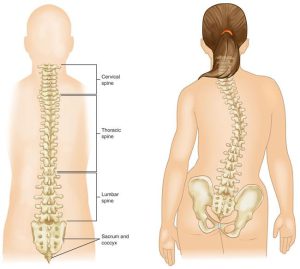
Scoliosis is the curvature of the spine, which occurs in the form of “S” or “C”. Early scoliosis treatment in Dwarka is advisable to prevent further curvature of the spine.

Scoliosis Treatment in Dwarka

Scoliosis can be:

  • Congenital: caused by vertebral abnormalities present at birth
  • Idiopathic: the unknown cause, sub-classified in turn as infantile, juvenile, adolescent or adult according to the start date occurred.
  • Neuronal: having developed as a secondary symptom of another spina bifida disease, cerebral palsy, spinal muscular atrophy or physical trauma.

You can also differentiate between:

  • Structural: The curvature of the spine is permanent. The cause of this problem can be a stroke, a disease or a defect from birth.
  • Non-structural: when the curvature is only temporary and the column has its normal structure. The specialist tries to correct it.

Scoliosis or abnormal curvature of the spine affects approximately 3% of the population. Mild cases may not affect daily life. But severe cases can be painful and limit normal activity.

 Causes of Scoliosis

We can talk about genetic inheritance, neuromuscular problems and unequal length of limbs, congenital spinal deformities (present at birth, whether they are inherited or caused by the environment)

Other causes for scoliosis include cerebral palsy, spina bifida, muscular dystrophy, spinal muscular atrophy, and tumors. The vast majority of cases of scoliosis have no known cause.

Symptom

According to the best physiotherapist in Dwarka, the symptoms vary. We can make a list of possible common patterns in the vast majority of affected patients:

  • Uneven waist
  • Support of the whole body on one side
  • The appearance of the high hip, prominent
  • Head not centered directly on the pelvis
  • Thoracic boxes at different heights
  • Shoulders at different heights, one shoulder blade more prominent than the other
  • Changes in the appearance or texture of the skin lining the spine
  • Costal prominence when crouching

Typically, scoliosis appears at ages ranging from 10 to 12 years of age. Affected children do not usually have pain. Apart from the altered body postures, it is normal that the patient does not show symptoms until he reaches 30 years of age. With this age begin to manifest discomfort in the deviated area, usually produced by staying for a long time sitting or standing.

Due to the permanent deviation of the spine, it begins to wear out (degeneration) so that the discomfort associated with scoliosis increases with time. If it is not treated properly, as the patient’s age progresses, severe symptoms are caused by the permanent shortening of the torso, which can trigger a decrease in the functions of the heart and lungs.

Scoliosis Treatment in Dwarka, Delhi

In cases of idiopathic scoliosis, no treatment is needed, but regular follow-up by a professional physiotherapist in Dwarka.

When the patient is still growing, an orthopedic brace & physiotherapy in Dwarka is recommended. The corset prevents a greater curvature. There are many types and the medical professional, as well as the advice of the orthopaedic in West Delhi, will recommend the one that best suits your needs based on the curvature as well as the location of the same and the growth phase of the patient.

The corsets for the back work best in people over 10 years old and do not work for those with congenital or neuromuscular scoliosis.

How to prevent scoliosis?

Scoliosis usually appears after 10 years of age, even in adolescence, which is when growth is faster. It is very important to keep in mind that once you come of age, it is more complicated to prevent it because your back is formed.

Here are some tips to find out if your child can suffer from scoliosis:

  1. Observe the alignment of the vertebrae: try to make your child when he is naked, bend down and reach with his hands to touch the ground. In that position, the vertebrae are visible under the skin and you can see if they are aligned or form some kind of curve.
  2. Observe the possible dysmetria in the legs or hips: This factor can be the main cause of the deviation of the spine. It is produced to compensate the imbalance and the head can be straight.
  3. Maintain proper postures: That your child has a good body posture when sitting helps to prevent this disease. The practice of sports such as swimming is one of the best remedies for scoliosis.

Practice activities that strengthen the muscles of the back as well as improve posture: swimming, yoga, pilates, … and follow the guidance given for Scoliosis Treatment in Dwarka.

Hemiplegia

Hemiplegia

In Dr. Sarwar Physiotherapy Centre in Dwarka, we have great physiotherapists who have worked for years with patients with hemiplegia, confirming a great improvement in their disease.

If you, or an acquaintance or relative, have any hemiplegia, do not hesitate to contact us, and without any commitment on your part, we will inform you of everything we can do so that this person can recover its functionality.

What is hemiplegia?

Hemiplegia

Hemiplegia is complete or incomplete paralysis of half the body. When it appears acutely and quickly it is called a cerebrovascular accident, and it is usually caused by an embolism or haemorrhage.

Whatever the cause, an area of ​​the brain is without adequate blood supply and what is known as cerebral infarction appears. The effect on the body is paralysis and loss of brain functions on the affected side.

The lesions caused by hemiplegia affect the movement and sensation of part of the face, arm, leg, or both limbs of the middle of the body. Often, other functions such as vision, hearing, speech, and reasoning ability are diminished.

Hemiplegia can affect people of any age, although the most at-risk group are people of medium and advanced age, usually men. In addition, another characteristic of this disease is that the lesion on a specific side of the brain produces hemiplegia on the opposite side.

What causes hemiplegia?

The most frequent cause is a stroke, which interrupts the blood supply in a certain area of ​​the brain. By extension, necrosis or brain tissue death occurs.

Sometimes hemiplegia is the first symptom of the presence of a brain tumour. The injury can also be caused by meningitis, severe seizures, or severe head injury.

What symptoms does hemiplegia have?

These patients have an inability or deficit to move the affected side, which causes:

  1. Rigidity.
  2. Difficulty walking, or doing it in a coordinated way.
  3. Balance problems
  4. Impossibility or difficulty to pick up and hold objects, as well as perform precise movements.

Evolution of Hemiplegia

The hemiplegic patient usually goes through three phases:

Acute or stroke phase: this is the most critical phase, just after the stroke. The main objective is the medical stabilization of the person. Today, there are specialized stroke units in many hospitals, which carry out the most immediate treatment.

Occasionally, the stroke does not take place abruptly, but there are some previous signs such as problems of vision, and speech, changes in behaviour, headaches or dizziness, among others. If these patients attend the hospital early, they can be detected without the most acute phase taking place.

Stabilization phase: in it the patient, who has left the stroke phase, shows signs of confusion and disorientation in spacetime. It is also here where alterations in the language are appreciated, in case there are any, especially if the affectation has been on the left side of the brain.

Recovery phase: in this stage, the patient is evolving towards an improvement.

After the most acute phase, during the phases of stabilization and recovery, hemiplegia passes, in turn, through two phases:

  1. Flaccid phase: in it, the patient cannot move the damaged side, tends not to use it by decreasing the sensitivity and awareness about it. In this first stage, the passive movements of the joints are not limited.
  2. Spastic phase: spasticity gradually appears. This means that muscle tone increases greatly and steadily. This causes a fixed posture, which can cause the joints to become stiffer. Normally, the arm tends to be attached to the body, in internal rotation with flexion of the elbow, wrist, and fingers. In the lower limb, both flexors and extensors are affected, which can make it possible to stand and walk.

The rehabilitation work with physiotherapy in Dwarka should be as early as possible, starting once the patient is in the stabilization phase. The first six months after the damage occurs, the brain has a greater capacity for recovery, but in more advanced stages the patient can also continue to progress in their recovery thanks to plasticity.

In this type of pathology of neurological origin, it is important, in the first phases, the maintenance of mobility to avoid incorrect postures or deformities. In successive phases of the treatment, our objective will be mainly the improvement of mobility and the increase of the independence of the patient

What is the physiotherapy treatment for hemiplegia?

The treatment of physiotherapy in hemiplegia is necessary since it is mainly aimed at improving movement and recovering functionality. It is also very important to prevent complications such as pressure ulcers, vascular problems, pneumonia, falls, etc.

This treatment will vary depending on the severity of the patient but, broadly speaking, the objectives of physiotherapy would be:

  1. Decrease pain
  2. Improve general mobility
  3. Reduce spasticity, which is the sustained contraction of the musculature due to the involvement of the nervous system. This causes the patients a lot of rigidity.
  4. Reeducate of the march
  5. Improve balance
  6. Recover functionality in the upper limb, to catch objects, grab them and hold them.
  7. Avoid respiratory and vascular complications

Frequently, these patients have painful shoulder syndrome, which can be the cause of the pathology itself or, sometimes, due to incorrect mobilizations of the caregiver.
From home physiotherapist in Dwarka, caregivers are taught the appropriate guidelines so that they can help patients to change their position correctly and without hurting themselves.

The rehabilitation measures will depend on the damaged brain area and the functions affected in each case.